
May is American Stroke Month, a time dedicated to raising awareness about stroke prevention, recognition, and recovery. Stroke is a serious medical emergency that can affect anyone—regardless of age or health history. The American Heart Association rates stroke as the No. 4 cause of death and a leading cause of disability in the United States. Every 40 seconds, someone in the United States experiences a stroke.
A stroke occurs when a blood vessel that carries oxygen and nutrients to the brain is either blocked by a clot or bursts (or ruptures). When that happens, part of the brain cannot get the blood (and oxygen) it needs, so it and brain cells die.
While the statistics are alarming, there is also hope. Knowing the warning signs and acting quickly can save lives and significantly improve recovery outcomes.
🚨 Recognizing the Signs of Stroke: Think B.E.F.A.S.T.
When it comes to stroke, time is critical. The faster a person receives medical care, the better their chances of survival and recovery.
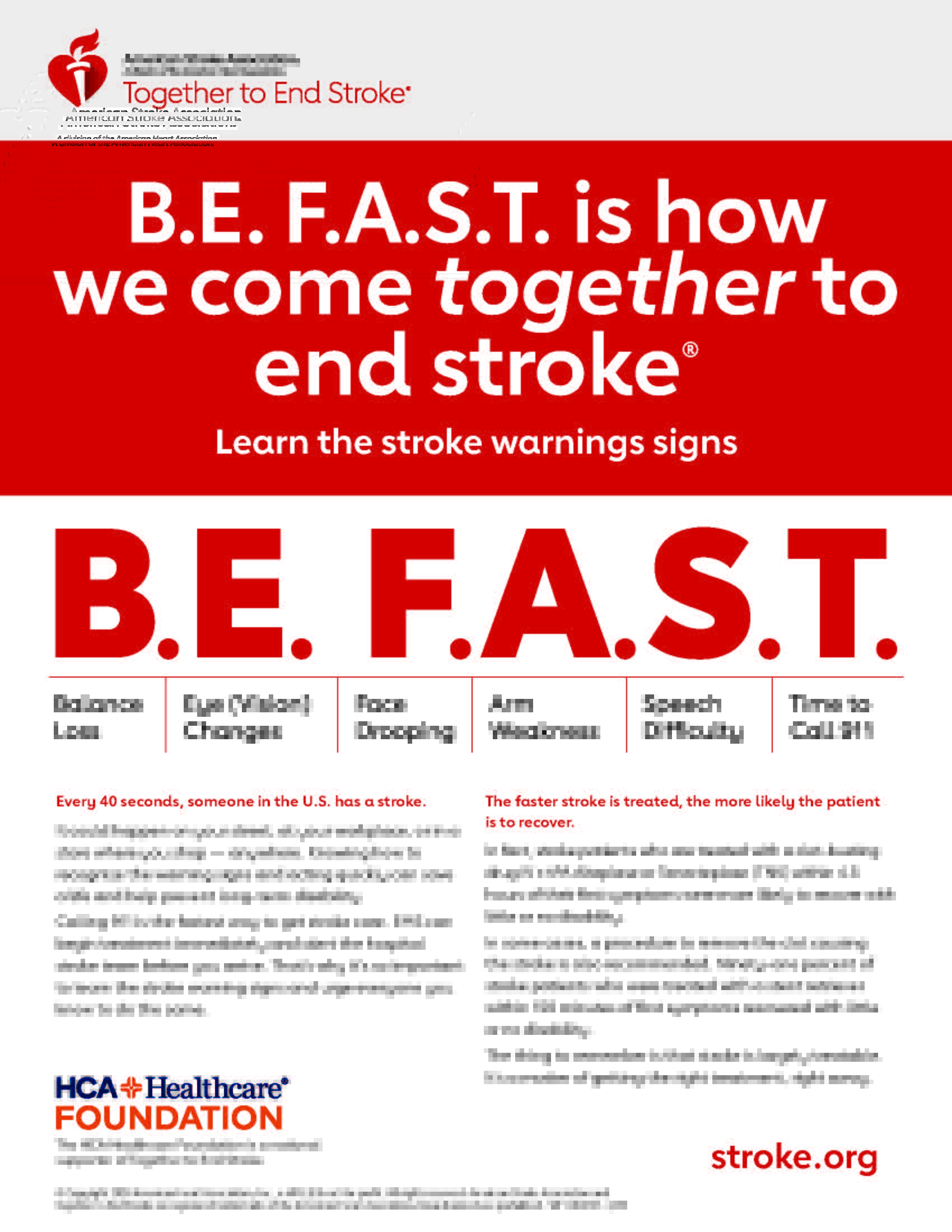
Use the – American Stroke Association B.E.F.A.S.T. acronym to recognize the warning signs:
- Balance – Sudden loss of balance or coordination
- Eyes – Sudden vision problems in one or both eyes
- Face – Drooping or uneven smile
- Arms – Weakness or numbness in one arm
- Speech – Slurred or difficult speech
- Time – Call 911 immediately
Take Action This Stroke Month
Stroke recovery is a journey—but with the right knowledge, tools, and support, better outcomes are possible. This American Stroke Month, take the time to educate yourself and others—you never know whose life you might help save. Stroke awareness can save lives. Whether it’s learning the signs, supporting a loved one, or exploring recovery options, every step matters.
Learn more from the American Stroke Association!
How a Stroke Affects Movement
A stroke occurs when blood flow to part of the brain is interrupted, damaging the areas responsible for movement, coordination, and muscle control. Depending on the severity and location of the stroke, individuals may experience a wide range of mobility challenges.
Common effects include:
- Muscle weakness or paralysis (often on one side of the body)
- Loss of coordination and balance
- Difficulty with fine motor skills
- Changes in walking patterns (Gait Abnormalities)
One particularly common issue following a stroke is foot drop.
What Is Foot Drop?
Foot drop is a condition where a person has difficulty lifting the front part of their foot. This can cause the foot to drag while walking, increasing the risk of trips and falls.
Causes of Foot Drop
Foot drop is not a disease itself, but a symptom of an underlying problem, such as:
- Muscle weakness
- Nerve damage in the leg
- Brain or spinal cord injury (such as a stroke)
It usually affects one foot, but in some cases, both feet may be involved.
Treatment Options for Foot Drop
The good news is that there are effective solutions to help individuals regain mobility and confidence.
An Ankle Foot Orthosis (AFO) is a brace designed to support the foot and ankle, keeping them in a proper position during walking.
Types of AFOs:
- Custom Fabricated Thermoplastic AFOs – Tailored to the individual for maximum comfort and support
- Off-the-Shelf Carbon Fiber AFOs – Lightweight and energy-efficient for improved mobility
Both types are highly effective in:
- Stabilizing the ankle
- Preventing foot drag
- Improving walking safety and efficiency
Check out this brief overview video on Bracing Options for Managing Foot Drop featuring Union O & P BOC-Certified Orthotist, Ben Yockey.
⚡ 2. Functional Electrical Stimulation (FES)
Another innovative treatment option is Functional Electrical Stimulation (FES).
Devices like the G4 FES cuff deliver low-level electrical currents to stimulate the muscles responsible for lifting the foot. These signals mimic the body’s natural nerve impulses, helping restore a more normal walking pattern.
Benefits of FES include:
- Improved muscle activation
- Enhanced gait mechanics
- Increased independence
Here is a highlight video of the G4 FES Foot Drop system featuring Union O&P MS Patient Nanette Jergons and Union Orthotics & Prosthetics Co. Clinician Dave McFarlane, CO, CPED
🏃 3. Rehabilitation and Gait Training
Recovery doesn’t stop with devices—rehabilitation is essential.
Physical therapy programs may include:
- Treadmill training
- Walking between parallel bars
- Strength and balance exercises
These therapies help retrain the brain and body to work together more effectively after a stroke.
A Team Approach to Recovery
Successful stroke recovery often requires collaboration between multiple healthcare professionals, including:
- Physicians and surgeons
- Physiatrists (rehabilitation doctors)
- Physical therapists
- Orthotists and prosthetists
- Family and caregivers
This team-based approach ensures that each patient receives a personalized treatment plan tailored to their goals and lifestyle.
About Union Orthotics & Prosthetics Co.
For over 100 years, Union Orthotics & Prosthetics Co. has been dedicated to providing compassionate, high-quality care. As a family-owned and operated company, we are committed to helping patients regain mobility, independence, and confidence.
We offer:
- Custom and off-the-shelf AFOs
- Functional Electrical Stimulation (FES) solutions
- Comprehensive orthotic care tailored to individual needs
By working closely with each patient and their care team, we strive to achieve the best possible outcomes.
Locations
Union Orthotics & Prosthetics Co. are proud to serve Pittsburgh and communities across Western Pennsylvania with 19 convenient locations. Wherever you are, expert care is never far away. Services may vary by location, so be sure to check what’s available near you!